
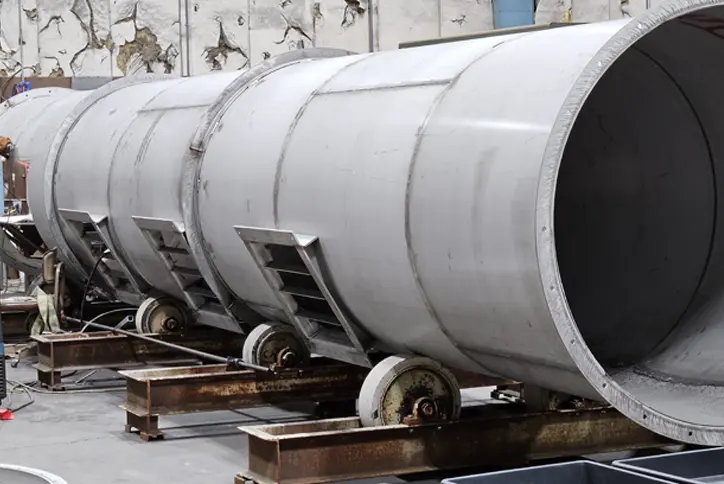
Custom steel fabrication is essential in construction because it allows contractors to solve problems that standard sheet metal elements can’t without field modification. Field modifications to architectural components, such as roofing, siding, flashing, and awnings, introduce risk, variability, and increased cost. Here, we look at challenges with using standard components with complex steel architecture construction, and how custom fabrication can save time and keep projects on budget.
When a Standard Product Stops Working
Steel sheet metal has long played a vital role in architecture, providing structural support, cladding, roofing, and decoration. Its flexibility, durability, and weather-resistance make it a preferred material for architects. However, there are times when a standard product isn’t sufficient.
Non-standard geometries, tapered parapets, curved soffits, unusual angles, and sloped roofs with irregular ridgelines can pose challenges during installation. When standard or off-the-shelf sheet metal products are scoped for challenging designs, crews must cut panels, bend on-site flashing, notch around penetrations, and force-fit components in an attempt to make them work. This can lead to undesirable consequences that drive up costs, result in call-backs, and extend timelines. For example, cutting galvanized steel sheeting improperly can create burrs that are prone to rusting; forcing metal panels into alignment can cause an appearance or oil canning; and thermal movement in metal roofing can create problems at flashings and lead to leaks when movement is not accommodated in the design.
How Custom Steel Fabrication Addresses Construction Challenges
For complex construction projects, custom steel fabrication offers the ideal solution. Engineers and architects can proactively address challenges by designing components that seamlessly integrate with unique project requirements, rather than struggling to make standard parts fit.
Some potential issues and outcomes associated with not choosing custom steel fabrication include:
- Fit and tolerance issues in roofing and siding systems – When roofing and siding designs feature complex shapes or irregular lines, standard steel components may not fit properly. This can lead to gaps, misalignments, and additional on-site labor to adjust parts, increasing the risk of leaks and reducing the overall durability and appearance of the finished structure. In practice, these problems are often driven by tolerance stack-up. The supporting structure, deck, slab edges, and substrates rarely align exactly with the drawings. Custom fabrication allows the design team to define realistic clearances and adjustment points (such as slotted holes, shims, and clip systems) so panels can be aligned without forcing. Field verification and, when needed, a small mockup help confirm dimensions before production and reduce rework.
- Flashing failures and water management risk – Improperly fabricated or installed flashing can allow water penetration, leading to moisture damage, mold, and structural issues. Custom steel fabrication ensures flashings are precisely made to fit unique architectural features, minimizing water management risks and protecting the building envelope.
- Awnings and load considerations – Awnings must withstand environmental loads, such as wind, snow, and rain. Standard components may not be engineered for specific site conditions, potentially resulting in structural failures. Custom steel fabrication enables awnings tailored to precise load requirements and design specifications, ensuring safety and longevity.
- Aesthetics and rework in visible applications – Visible architectural elements like siding and awnings demand a flawless finish. Poor fit or forced alignment can lead to unsightly distortions, such as oil canning or uneven seams, requiring costly rework. Custom fabrication minimizes these issues by producing components that match the project’s design intent.
- Schedule and coordination breakdowns – Using standard components that do not fit or function as intended can cause delays and disrupt coordination between trades on a job site. Custom steel fabrication helps keep projects on schedule by reducing the need for field modifications and preventing costly mistakes or callbacks.
Custom steel fabrication solves these challenges by producing components tailored to the exact measurements and unique geometries of each project. This leads to improved weather-tightness, enhanced structural integrity, and a polished appearance, while also helping contractors save time and avoid costly rework.
Choosing the Appropriate Steel For The Application
Material behavior differences matter in the field. Different steel types behave uniquely during fabrication and installation. For example, stainless steel hardens as it is formed, affecting bending and tooling, while galvanized steel requires special handling to maintain its corrosion resistance. Understanding these material behaviors is critical to achieving proper installation and performance.
When selecting steel for architectural sheet metal, match the material to the exposure conditions, the desired appearance, and the fabrication and installation methods. A good-looking panel on paper can still fail in the field if corrosion, thermal movement, or forming limits aren’t considered early.
- Environment and corrosion exposure — Interior vs. exterior conditions, coastal/deicing salt exposure, industrial pollutants, and wet areas all influence whether a coating system or stainless steel is appropriate.
- Appearance requirements — Visible applications are sensitive to waviness and oil canning, especially on large flat panels; consider using panel profiles (shaped ribs/seams), stiffening breaks (shallow formed lines in the face), and appropriate gauge to keep surfaces looking flat.
- Formability and detailing — Tight bend radii, hems, and complex profiles may require specific grades/thicknesses and realistic bend radii to avoid cracking, distortion, or excessive springback.
- Joining method and field work – Welding, riveting, and mechanical fastening each affect corrosion protection and finish quality; minimize field cutting and plan for shop fabrication where possible.
- Coating/paint system compatibility — If the finished work will be painted or powder coated, confirm surface prep requirements and how cut edges, welds, and repairs will be protected.
- Gauge, stiffness, and dent resistance — Choose thickness based on span, handling, wind loads, and impact risk; thicker material typically installs straighter and reduces visible distortion.
- Dissimilar metal compatibility — Coordinate panels, trim, and fasteners to avoid galvanic corrosion, and isolate dissimilar metals where contact is unavoidable.
Common steel options include:
- Mild steel — cost-effective, weldable, needs coating for corrosion resistance, most common for structural flashing and utilitarian applications
- Galvanized — the coating provides corrosion resistance, which affects how it’s cut, bent, and welded at the shop. The zinc burns off at weld zones, requiring touch-up or alternative joining
- Stainless — offers corrosion resistance without a coating, but work hardens during forming, which affects brake press tooling and bend radii on complex profiles
S&R For Your Architectural Custom Steel Fabrication Needs
S&R brings over 50 years of local industry experience to architectural custom steel fabrication, backed by highly skilled trade workers, short turnaround times, and responsive support, so you get superior-quality products and results. Once you’ve received our bid and chosen to partner with us, we’ll stay closely aligned with the specifications and timeline you require, and then our expert sheet metal team will carry the fabrication process through to completion. And if your project calls for it, we also provide architectural fabrication installation across the Pacific Northwest.